
Gluecontext.create_Dynamic_Frame.from_Catalog
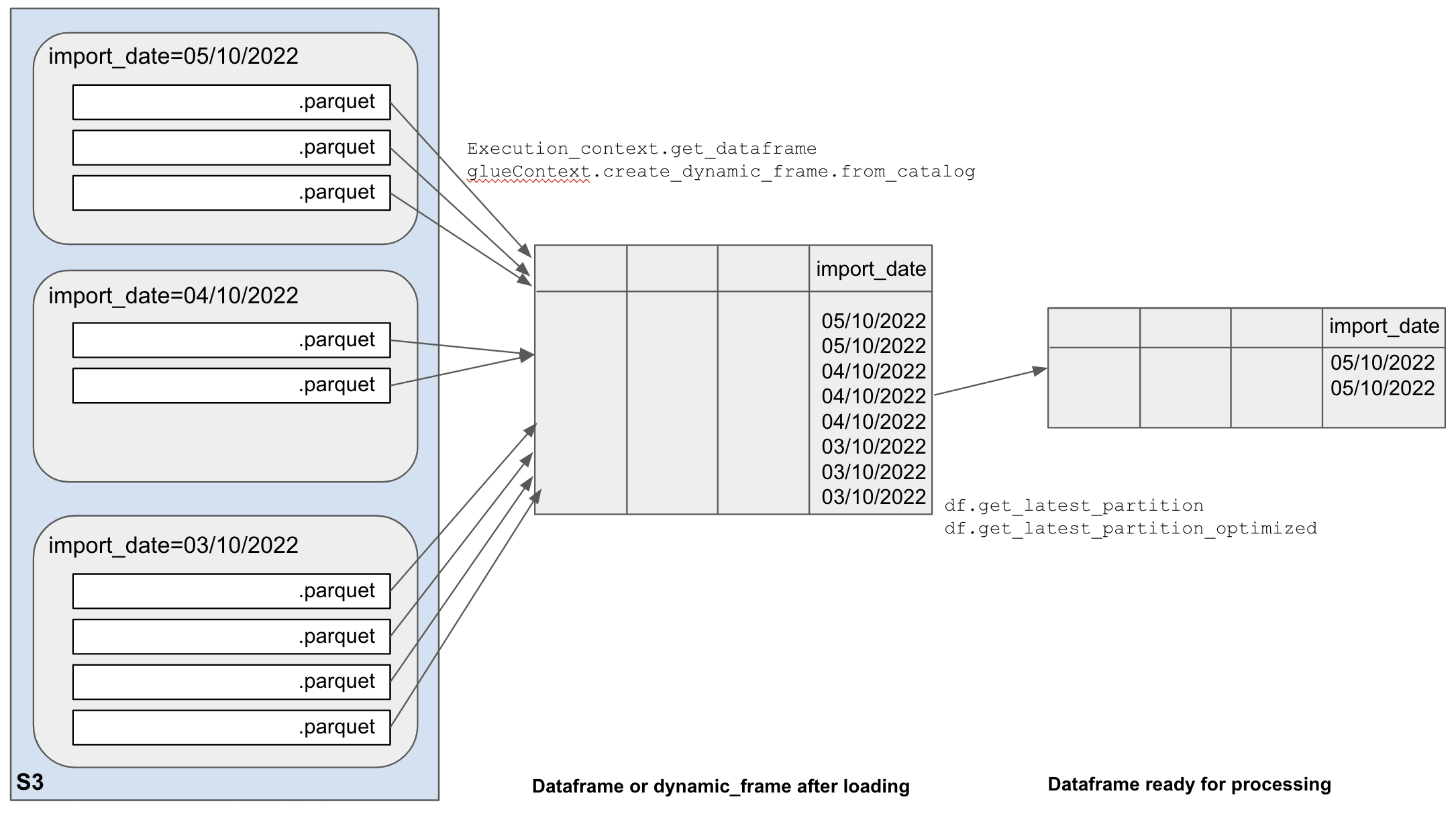
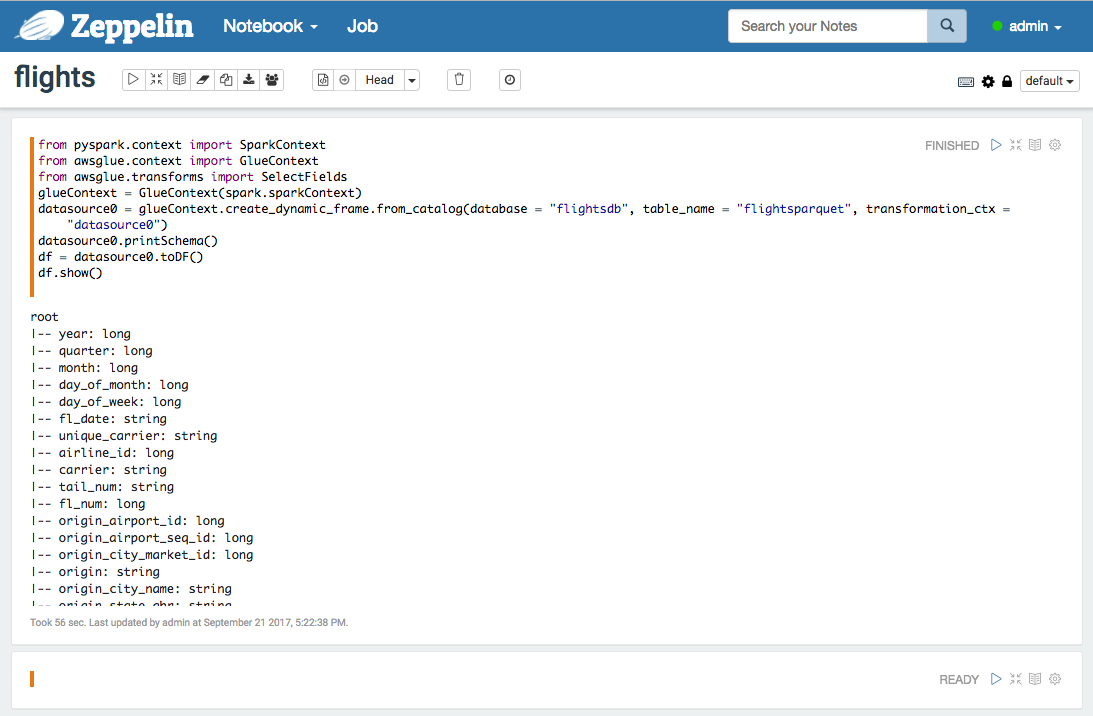
Gluecontext.create_Dynamic_Frame.from_Catalog - Now, i try to create a dynamic dataframe with the from_catalog method in this way: Datacatalogtable_node1 = gluecontext.create_dynamic_frame.from_catalog( catalog_id =. In your etl scripts, you can then filter on the partition columns. Calling the create_dynamic_frame.from_catalog is supposed to return a dynamic frame that is created using a data catalog database and table provided. Now i need to use the same catalog timestreamcatalog when building a glue job. Create_dynamic_frame_from_catalog(database, table_name, redshift_tmp_dir, transformation_ctx = , push_down_predicate= , additional_options = {}, catalog_id = none) returns a. From_catalog(frame, name_space, table_name, redshift_tmp_dir=, transformation_ctx=) writes a dynamicframe using the specified catalog database and table name. Then create the dynamic frame using 'gluecontext.create_dynamic_frame.from_catalog' function and pass in bookmark keys in 'additional_options' param. This document lists the options for improving the jdbc source query performance from aws glue dynamic frame by adding additional configuration parameters to the ‘from catalog’. Dynfr = gluecontext.create_dynamic_frame.from_catalog(database=test_db, table_name=test_table) dynfr is a dynamicframe, so if we want to work with spark code in. However, in this case it is likely. # create a dynamicframe from a catalog table dynamic_frame = gluecontext.create_dynamic_frame.from_catalog(database = mydatabase, table_name =. In addition to that we can create dynamic frames using custom connections as well. Now i need to use the same catalog timestreamcatalog when building a glue job. Gluecontext.create_dynamic_frame.from_catalog does not recursively read the data. Datacatalogtable_node1 = gluecontext.create_dynamic_frame.from_catalog( catalog_id =. With three game modes (quick match, custom games, and single player) and rich customizations — including unlockable creative frames, special effects, and emotes — every. We can create aws glue dynamic frame using data present in s3 or tables that exists in glue catalog. Use join to combine data from three dynamicframes from pyspark.context import sparkcontext from awsglue.context import gluecontext # create gluecontext sc =. Either put the data in the root of where the table is pointing to or add additional_options =. This document lists the options for improving the jdbc source query performance from aws glue dynamic frame by adding additional configuration parameters to the ‘from catalog’. Node_name = gluecontext.create_dynamic_frame.from_catalog( database=default, table_name=my_table_name, transformation_ctx=ctx_name, connection_type=postgresql. From_catalog(frame, name_space, table_name, redshift_tmp_dir=, transformation_ctx=) writes a dynamicframe using the specified catalog database and table name. Now i need to use the same catalog timestreamcatalog when building. Now i need to use the same catalog timestreamcatalog when building a glue job. In your etl scripts, you can then filter on the partition columns. Dynfr = gluecontext.create_dynamic_frame.from_catalog(database=test_db, table_name=test_table) dynfr is a dynamicframe, so if we want to work with spark code in. Then create the dynamic frame using 'gluecontext.create_dynamic_frame.from_catalog' function and pass in bookmark keys in 'additional_options' param.. Node_name = gluecontext.create_dynamic_frame.from_catalog( database=default, table_name=my_table_name, transformation_ctx=ctx_name, connection_type=postgresql. Create_dynamic_frame_from_catalog(database, table_name, redshift_tmp_dir, transformation_ctx = , push_down_predicate= , additional_options = {}, catalog_id = none) returns a. Use join to combine data from three dynamicframes from pyspark.context import sparkcontext from awsglue.context import gluecontext # create gluecontext sc =. # create a dynamicframe from a catalog table dynamic_frame = gluecontext.create_dynamic_frame.from_catalog(database = mydatabase, table_name =. Datacatalogtable_node1. We can create aws glue dynamic frame using data present in s3 or tables that exists in glue catalog. Create_dynamic_frame_from_catalog(database, table_name, redshift_tmp_dir, transformation_ctx = , push_down_predicate= , additional_options = {}, catalog_id = none) returns a. In addition to that we can create dynamic frames using custom connections as well. Because the partition information is stored in the data catalog, use. Dynfr = gluecontext.create_dynamic_frame.from_catalog(database=test_db, table_name=test_table) dynfr is a dynamicframe, so if we want to work with spark code in. In addition to that we can create dynamic frames using custom connections as well. Create_dynamic_frame_from_catalog(database, table_name, redshift_tmp_dir, transformation_ctx = , push_down_predicate= , additional_options = {}, catalog_id = none) returns a. In your etl scripts, you can then filter on the partition columns.. # create a dynamicframe from a catalog table dynamic_frame = gluecontext.create_dynamic_frame.from_catalog(database = mydatabase, table_name =. With three game modes (quick match, custom games, and single player) and rich customizations — including unlockable creative frames, special effects, and emotes — every. Datacatalogtable_node1 = gluecontext.create_dynamic_frame.from_catalog( catalog_id =. We can create aws glue dynamic frame using data present in s3 or tables that. In addition to that we can create dynamic frames using custom connections as well. Gluecontext.create_dynamic_frame.from_catalog does not recursively read the data. Then create the dynamic frame using 'gluecontext.create_dynamic_frame.from_catalog' function and pass in bookmark keys in 'additional_options' param. Now i need to use the same catalog timestreamcatalog when building a glue job. We can create aws glue dynamic frame using data. In addition to that we can create dynamic frames using custom connections as well. Datacatalogtable_node1 = gluecontext.create_dynamic_frame.from_catalog( catalog_id =. We can create aws glue dynamic frame using data present in s3 or tables that exists in glue catalog. ```python # read data from a table in the aws glue data catalog dynamic_frame = gluecontext.create_dynamic_frame.from_catalog(database=my_database,. Node_name = gluecontext.create_dynamic_frame.from_catalog( database=default, table_name=my_table_name, transformation_ctx=ctx_name,. Then create the dynamic frame using 'gluecontext.create_dynamic_frame.from_catalog' function and pass in bookmark keys in 'additional_options' param. Create_dynamic_frame_from_catalog(database, table_name, redshift_tmp_dir, transformation_ctx = , push_down_predicate= , additional_options = {}, catalog_id = none) returns a. In your etl scripts, you can then filter on the partition columns. Datacatalogtable_node1 = gluecontext.create_dynamic_frame.from_catalog( catalog_id =. Because the partition information is stored in the data catalog, use. Either put the data in the root of where the table is pointing to or add additional_options =. Node_name = gluecontext.create_dynamic_frame.from_catalog( database=default, table_name=my_table_name, transformation_ctx=ctx_name, connection_type=postgresql. Create_dynamic_frame_from_catalog(database, table_name, redshift_tmp_dir, transformation_ctx = , push_down_predicate= , additional_options = {}, catalog_id = none) returns a. Datacatalogtable_node1 = gluecontext.create_dynamic_frame.from_catalog( catalog_id =. This document lists the options for improving the jdbc source query performance from aws. However, in this case it is likely. We can create aws glue dynamic frame using data present in s3 or tables that exists in glue catalog. ```python # read data from a table in the aws glue data catalog dynamic_frame = gluecontext.create_dynamic_frame.from_catalog(database=my_database,. In your etl scripts, you can then filter on the partition columns. # create a dynamicframe from a catalog table dynamic_frame = gluecontext.create_dynamic_frame.from_catalog(database = mydatabase, table_name =. Then create the dynamic frame using 'gluecontext.create_dynamic_frame.from_catalog' function and pass in bookmark keys in 'additional_options' param. From_catalog(frame, name_space, table_name, redshift_tmp_dir=, transformation_ctx=) writes a dynamicframe using the specified catalog database and table name. With three game modes (quick match, custom games, and single player) and rich customizations — including unlockable creative frames, special effects, and emotes — every. Now i need to use the same catalog timestreamcatalog when building a glue job. Dynfr = gluecontext.create_dynamic_frame.from_catalog(database=test_db, table_name=test_table) dynfr is a dynamicframe, so if we want to work with spark code in. Because the partition information is stored in the data catalog, use the from_catalog api calls to include the partition columns in. This document lists the options for improving the jdbc source query performance from aws glue dynamic frame by adding additional configuration parameters to the ‘from catalog’. Now, i try to create a dynamic dataframe with the from_catalog method in this way: Datacatalogtable_node1 = gluecontext.create_dynamic_frame.from_catalog( catalog_id =. Node_name = gluecontext.create_dynamic_frame.from_catalog( database=default, table_name=my_table_name, transformation_ctx=ctx_name, connection_type=postgresql. Use join to combine data from three dynamicframes from pyspark.context import sparkcontext from awsglue.context import gluecontext # create gluecontext sc =.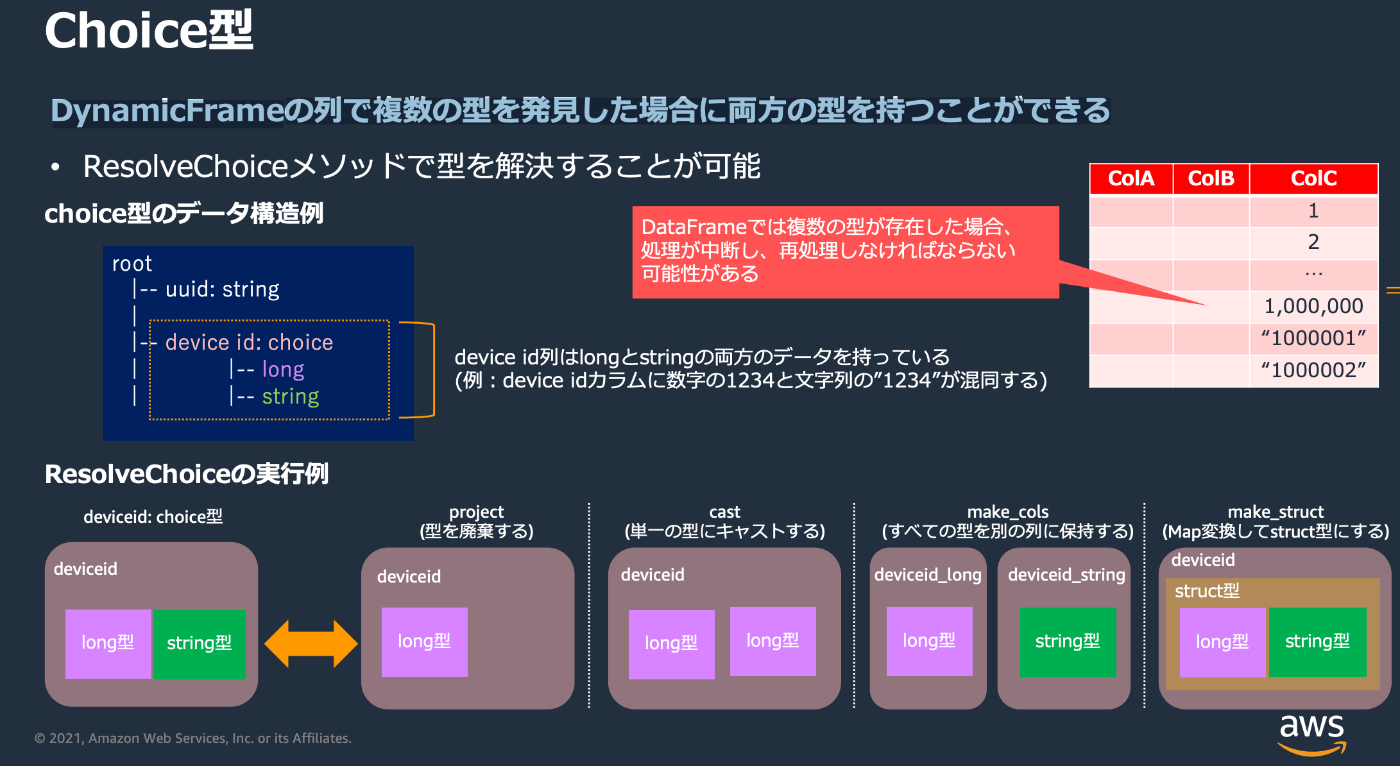
AWS Glueに入門してみた
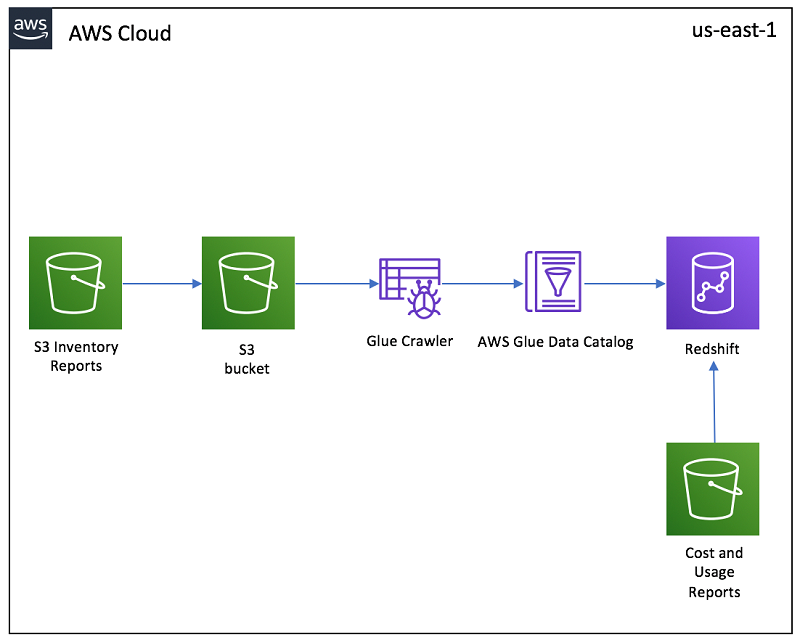
How to Connect S3 to Redshift StepbyStep Explanation

AWS Glue DynamicFrameが0レコードでスキーマが取得できない場合の対策と注意点 DevelopersIO
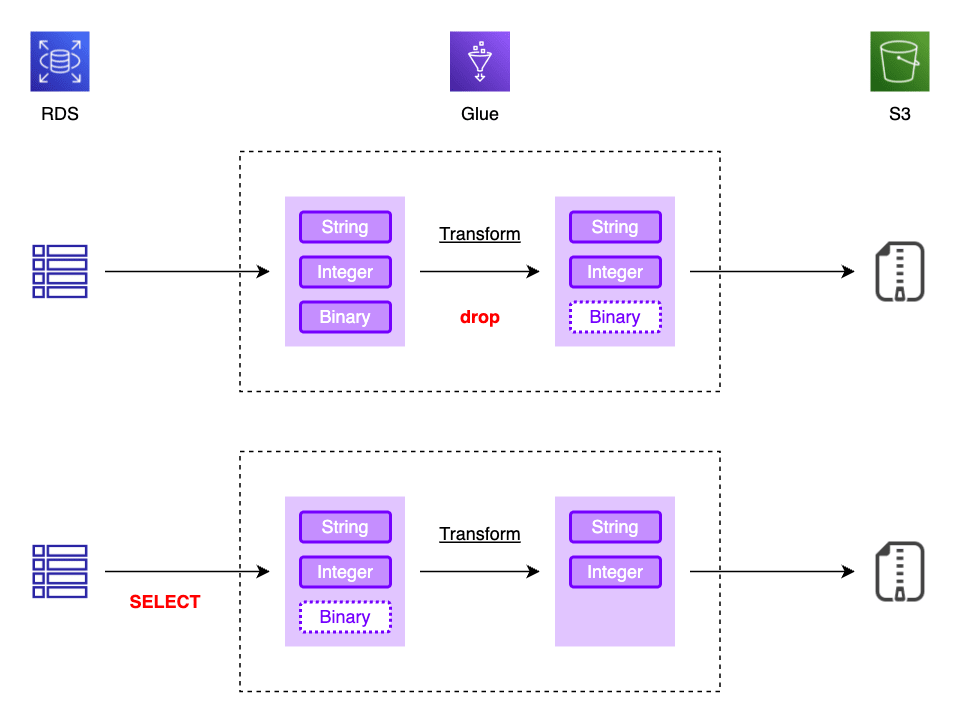
Glue DynamicFrame 生成時のカラム SELECT でパフォーマンス改善した話
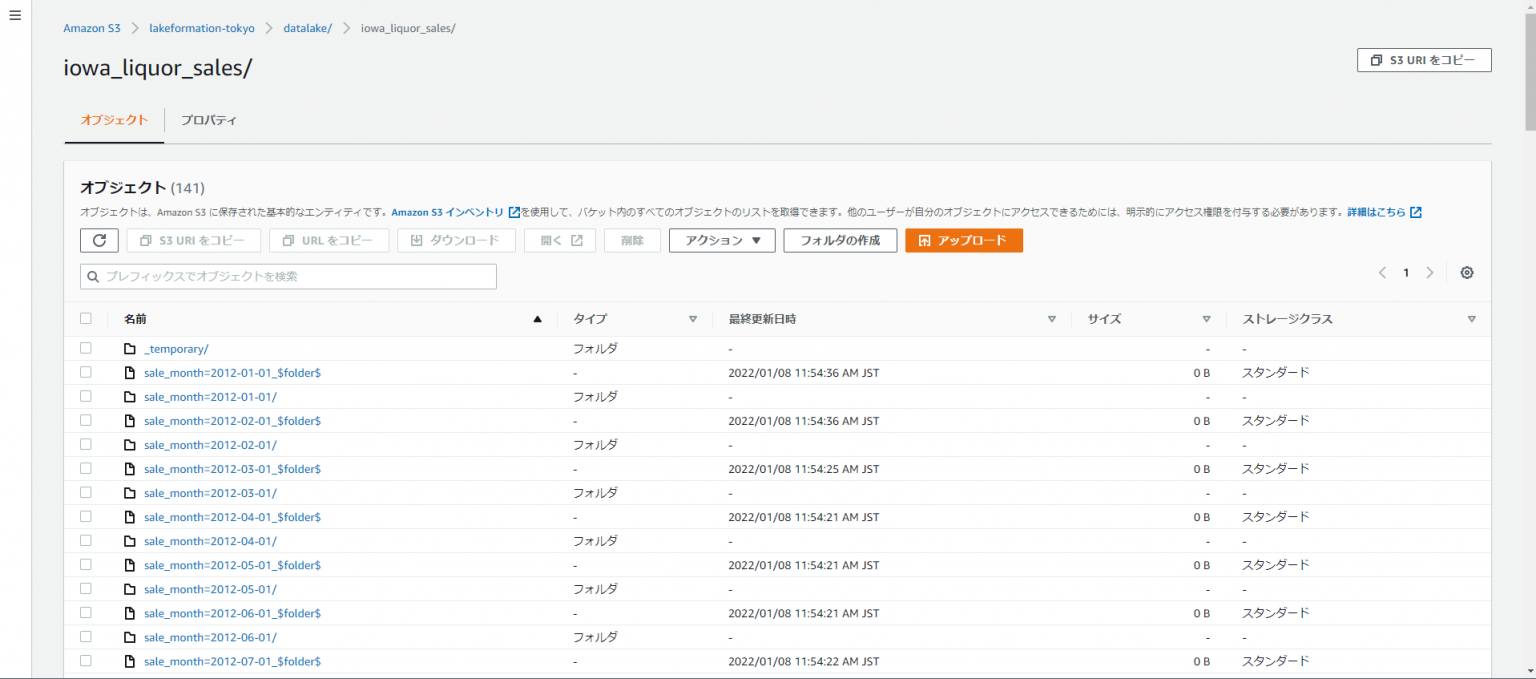
GCPの次はAWS Lake FormationとGoverned tableを試してみた(Glue Studio&Athenaも
Optimizing Glue jobs Hackney Data Platform Playbook
AWS Glue 実践入門:Apache Zeppelinによる Glue scripts(pyspark)の開発環境を構築する

glueContext create_dynamic_frame_from_options exclude one file? r/aws

AWS Glue create dynamic frame SQL & Hadoop
AWS 设计高可用程序架构——Glue(ETL)部署与开发_cloudformation 架构glueCSDN博客
Either Put The Data In The Root Of Where The Table Is Pointing To Or Add Additional_Options =.
In Addition To That We Can Create Dynamic Frames Using Custom Connections As Well.
Gluecontext.create_Dynamic_Frame.from_Catalog Does Not Recursively Read The Data.
Create_Dynamic_Frame_From_Catalog(Database, Table_Name, Redshift_Tmp_Dir, Transformation_Ctx = , Push_Down_Predicate= , Additional_Options = {}, Catalog_Id = None) Returns A.
Related Post: