
How Global Catalog Works
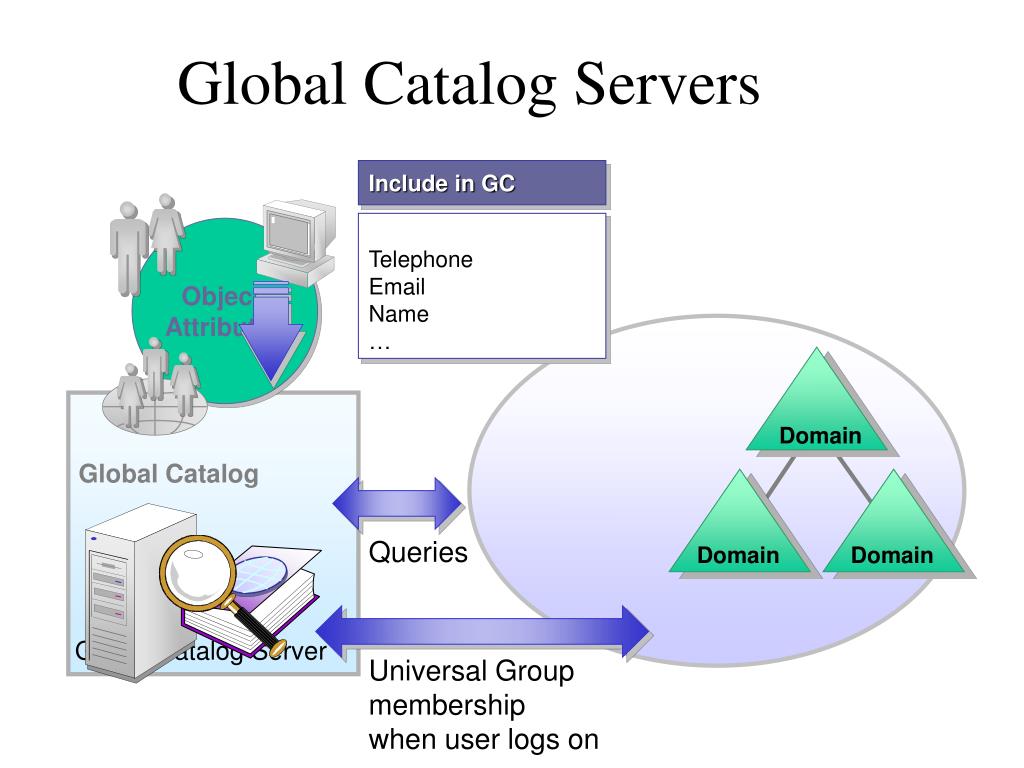
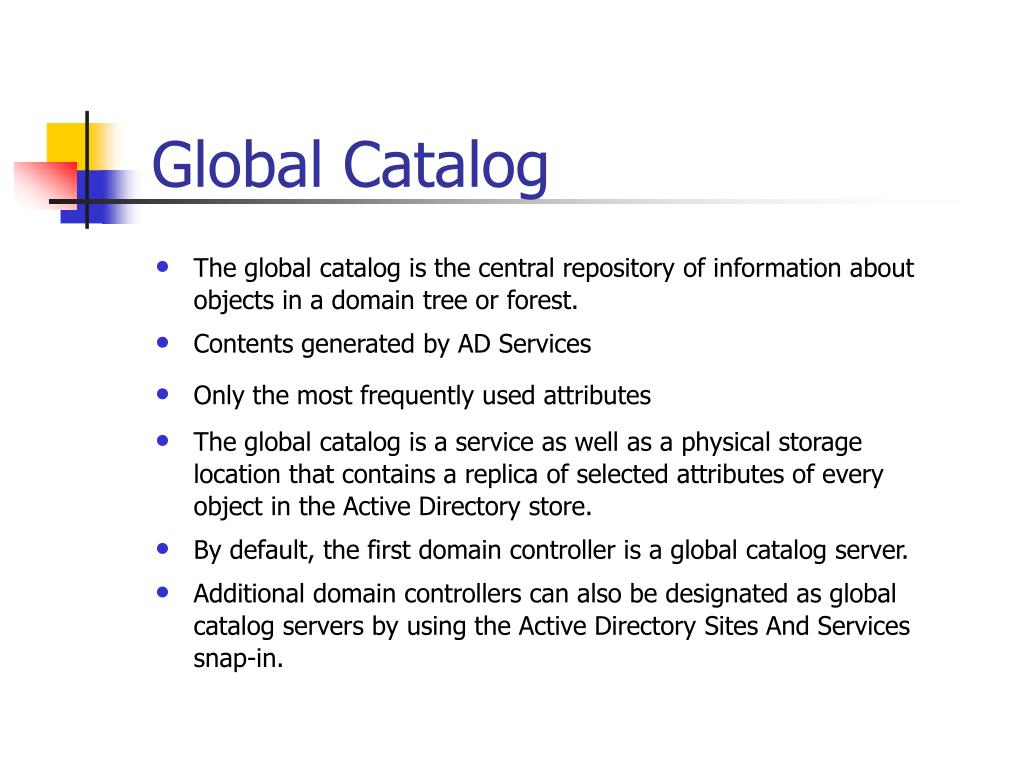
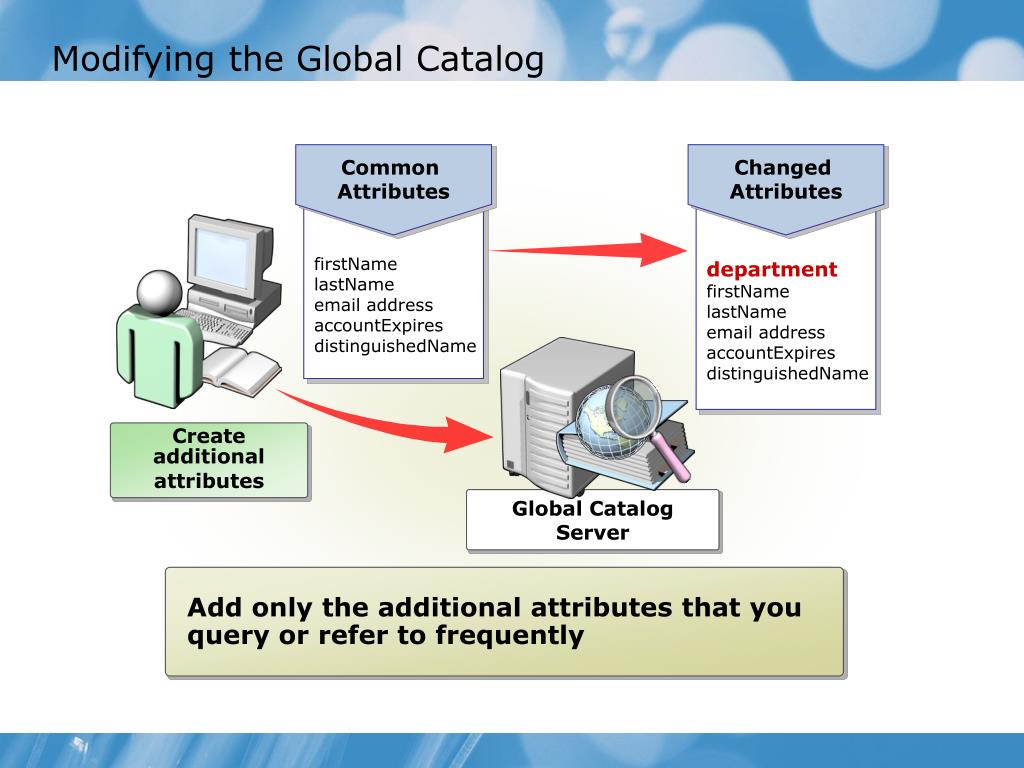
How Global Catalog Works - The global catalog is a distributed data repository that contains a searchable, partial representation of every object in every domain in a multidomain active directory. The global catalog (gc) allows users and applications to find objects in an active directory domain tree, given one or more attributes of the target object. For each object, the server maintains essential. It stores a complete copy of all objects in the directory of your domain and a partial copy of all objects of all other forest domains. It makes searches transparent across. For example, any global catalog server in a forest is capable of. A global catalog server is a domain controller that stores copies of all active directory objects in the forest. How the global catalog works? In active directory, a global catalog is a domain controller that stores a partial replica of all objects in the entire forest. The global catalog makes the directory structure within a forest transparent to users who perform a search. The global catalog is a distributed data repository that contains a searchable, partial representation of every object in every domain in a multidomain active directory. A global catalog server is a domain controller that stores copies of all active directory objects in the forest. The global catalog makes the directory structure within a forest transparent to users who perform a search. For each object, the server maintains essential. It stores a complete copy of all objects in the directory of your domain and a partial copy of all objects of all other forest domains. The global catalog provides a central repository of domain information for a forest by storing partial replicas of all domain partitions. The global catalog (gc) allows users and applications to find objects in an active directory domain tree, given one or more attributes of the target object. Global catalogs allow users and applications to find objects in any. For example, any global catalog server in a forest is capable of. The global catalog contains a. Up to 85% cash back a global catalog (gc) is a distributed data repository in microsoft's active directory (ad) systems. The global catalog provides a central repository of domain information for a forest by storing partial replicas of all domain partitions. It contains information about the forest’s topology and. It makes searches transparent across. It stores a complete copy of. The global catalog is a distributed data repository that contains a searchable, partial representation of every object in every domain in a multidomain active directory. In the realm of cybersecurity, the global catalog plays a pivotal role in streamlining operations, ensuring data integrity, and enhancing overall security measures. It makes searches transparent across. The global catalog is a namespace that. For example, if you search for all printers in a forest, a global. For example, any global catalog server in a forest is capable of. Global catalogs allow users and applications to find objects in any. The global catalog makes the directory structure within a forest transparent to users who perform a search. The global catalog makes the directory structure. For each object, the server maintains essential. Up to 85% cash back a global catalog (gc) is a distributed data repository in microsoft's active directory (ad) systems. For example, if you search for all printers in a forest, a global. In active directory, a global catalog is a domain controller that stores a partial replica of all objects in the. For example, if you search for all printers in a forest, a global. The global catalog is a namespace that contains directory data for all domains in a forest. It makes searches transparent across. The global catalog (gc) allows users and applications to find objects in an active directory domain tree, given one or more attributes of the target object.. The global catalog (gc) contains an entry for every object in an enterprise forest but only a few properties for each object. The global catalog makes the directory structure within a forest transparent to users who perform a search. The global catalog makes the directory structure within a forest transparent to users who perform a search. The global catalog is. The global catalog is a distributed data repository that contains a searchable, partial representation of every object in every domain in a multidomain active directory. The global catalog makes the directory structure within a forest transparent to users who perform a search. It makes searches transparent across. The global catalog (gc) allows users and applications to find objects in an. An entire forest shares a gc, with multiple servers. It contains information about the forest’s topology and. For example, any global catalog server in a forest is capable of. For example, if you search for all printers in a forest, a global. The global catalog makes the directory structure within a forest transparent to users who perform a search. An entire forest shares a gc, with multiple servers. For example, if you search for all printers in a forest, a global. Global catalogs allow users and applications to find objects in any. In active directory, a global catalog is a domain controller that stores a partial replica of all objects in the entire forest. For example, if you search. A global catalog server is a domain controller that stores copies of all active directory objects in the forest. The global catalog server stores a subset of each object in the active directory forest. The global catalog (gc) contains an entry for every object in an enterprise forest but only a few properties for each object. The global catalog is. For example, if you search for all printers in a forest, a global. It makes searches transparent across. The global catalog is a namespace that contains directory data for all domains in a forest. The global catalog is a distributed data repository that contains a searchable, partial representation of every object in every domain in a multidomain active directory. The global catalog contains a. The global catalog (gc) contains an entry for every object in an enterprise forest but only a few properties for each object. Up to 85% cash back a global catalog (gc) is a distributed data repository in microsoft's active directory (ad) systems. The global catalog (gc) allows users and applications to find objects in an active directory domain tree, given one or more attributes of the target object. The global catalog server stores a subset of each object in the active directory forest. The global catalog makes the directory structure within a forest transparent to users who perform a search. For example, any global catalog server in a forest is capable of. The global catalog provides a central repository of domain information for a forest by storing partial replicas of all domain partitions. The global catalog makes the directory structure within a forest transparent to users who perform a search. The global catalog contains a partial replica of every domain directory. A global catalog server is a domain controller that stores copies of all active directory objects in the forest. The global catalog (gc) allows users and applications to find objects in an active directory domain tree, given one or more attributes of the target object.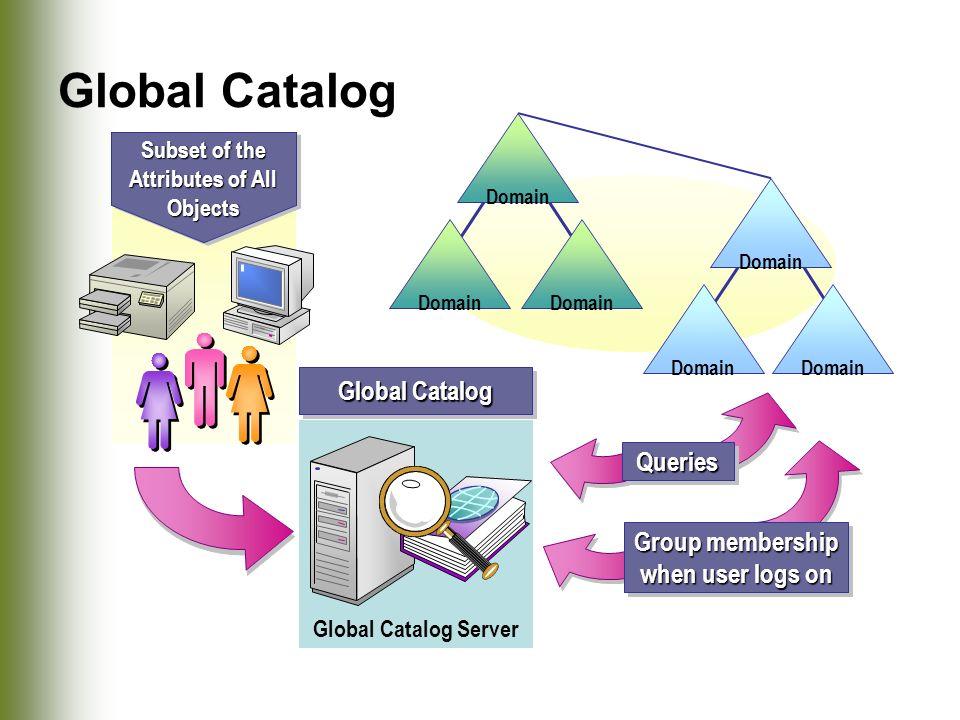
What is Global Catalog WindowsTechno

What Is Global Catalog
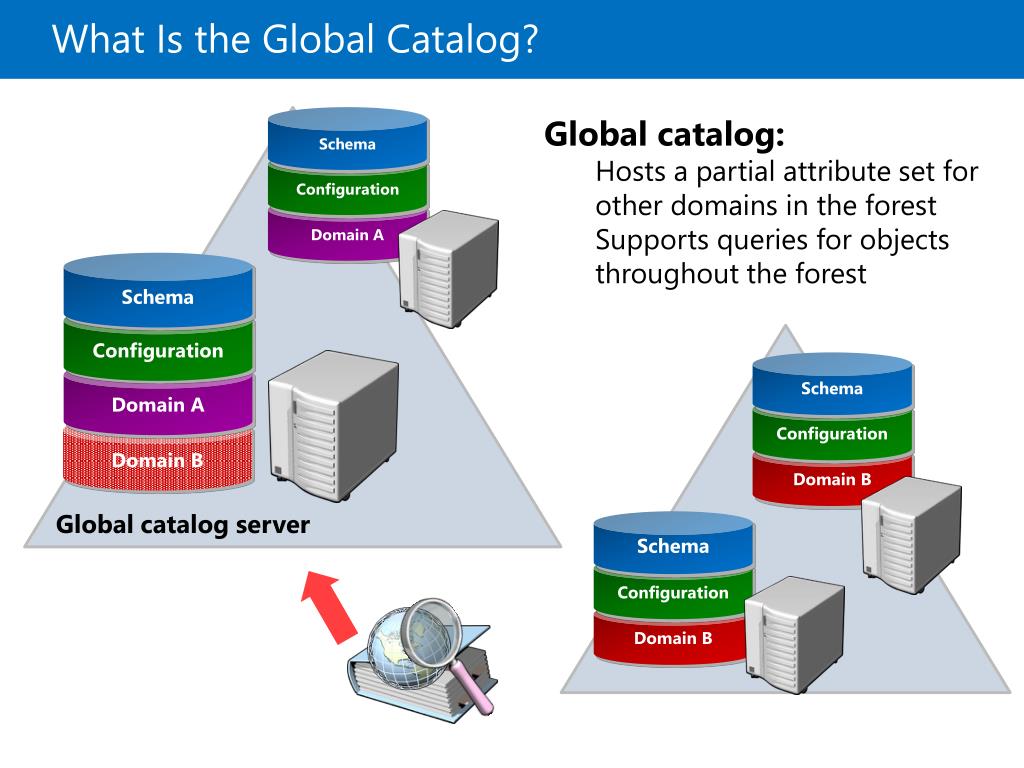
PPT Module 2 PowerPoint Presentation, free download ID3438732
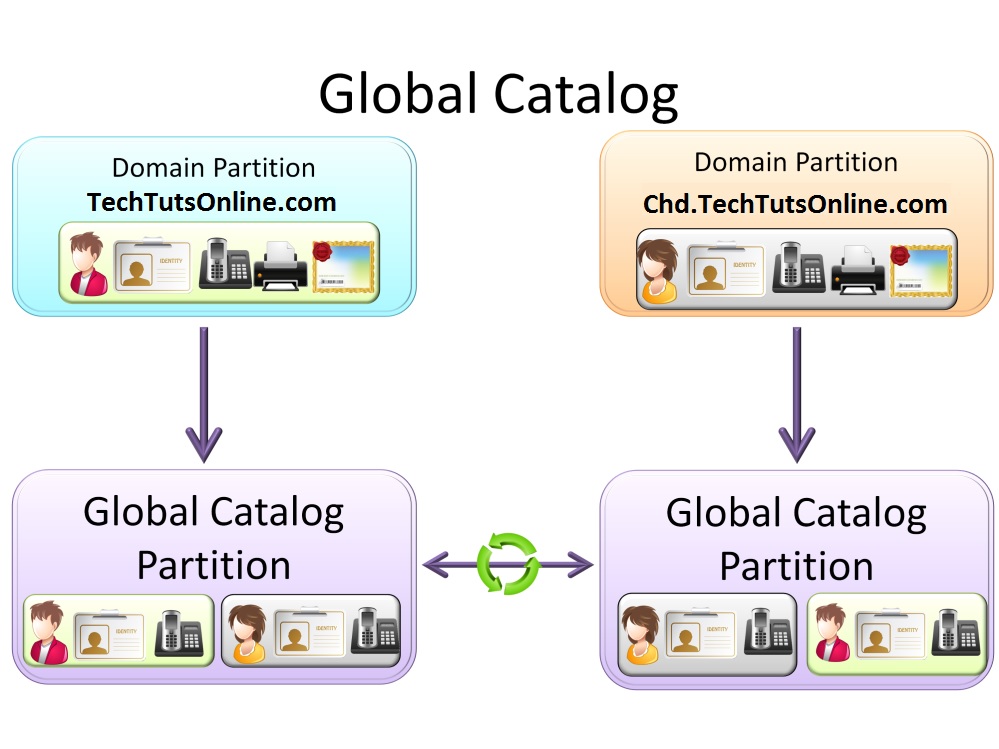
Active Directory Fundamentals

How to Find And Configure The Active Directory Global Catalog And Why
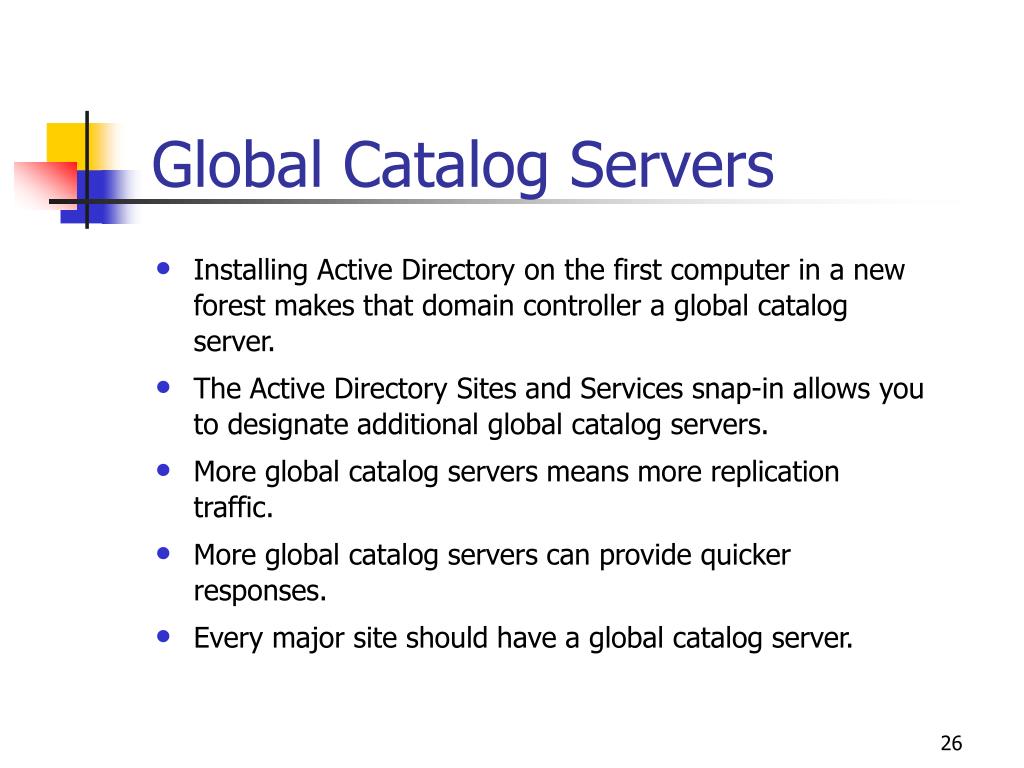
PPT Introduction to Active Directory Directory Services PowerPoint
PPT ACTIVE DIRECTORY II PowerPoint Presentation, free download ID

What is Global Catalog Active Directory Global Catalog
PPT Understanding Active Directory Concepts PowerPoint Presentation
PPT Module 1 Implementing Active Directory ® Domain Services
For Example, If You Search For All Printers In A Forest, A Global.
It Contains Information About The Forest’s Topology And.
An Entire Forest Shares A Gc, With Multiple Servers.
The Global Catalog Makes The Directory Structure Within A Forest Transparent To Users Who Perform A Search.
Related Post: