
How To Create Catalog In Lightroom
How To Create Catalog In Lightroom - Check in the lightroom classic preferences that the catalog to open is set to 'most recent catalog'. Open lightroom and head to file > new catalog. So, despite an upcoming deadline, the user chose to create a simple tool that can “extract the lightroom data” from their “exported jpgs.” colosuit.app’s website showcasing. Every time you want to. Open a new catalog (file > new catalog), and customize it as needed (by adding smart collections, your identity plate, watermarks etc.). Edit hdr photos in lightroom for mobile (ios). The culling results sync cleanly back into lightroom, complete with star ratings, flags, and color tags. However, to create a new catalog, go to file and click on new. First, open lightroom, and when you start the program for the first time, a default catalog may be created automatically. The software uses the structure and tools i already use, which is exactly. When you’re ready, click create. Learn about creating and managing catalogs in adobe photoshop lightroom classic: Create a new catalog, and change the catalog settings to what you want. Open a new catalog (file > new catalog), and customize it as needed (by adding smart collections, your identity plate, watermarks etc.). Check in the lightroom classic preferences that the catalog to open is set to 'most recent catalog'. While we will be using my workflow preferences in regards to. Optionally, you can include your raw photos in the exported. The software uses the structure and tools i already use, which is exactly. Employing a database system means lightroom does not work with the original files directly. Whether you’re a wedding photographer juggling thousands of client photos or a beginner just getting started with photo editing, this guide will help you make sense of. Edit hdr photos in lightroom for mobile (ios). Employing a database system means lightroom does not work with the original files directly. Just used dan’s method to create an empty. First, open lightroom, and when you start the program for the first time, a default catalog may be created automatically. Learn about creating and managing catalogs in adobe photoshop lightroom. Expert consultationsindustry leading partnerswide variety of brandsdedicated experts Employing a database system means lightroom does not work with the original files directly. Optionally, you can include your raw photos in the exported. Check in the lightroom classic preferences that the catalog to open is set to 'most recent catalog'. However, to create a new catalog, go to file and click. Open a new catalog (file > new catalog), and customize it as needed (by adding smart collections, your identity plate, watermarks etc.). This will be your template. You need to decide whether you want to create a single catalog or multiple catalogs, follow a clear naming structure, import. Increase image resolutionadd a blur effectadjust lighting in images Learn about creating. Create a new catalog, and change the catalog settings to what you want. In lightroom, go to file > export as catalog. First, open lightroom, and when you start the program for the first time, a default catalog may be created automatically. Discover how adobe photoshop lightroom classic catalogs help you organize imported pictures, and learn catalog best practices. Creating. In lightroom, go to file > export as catalog. So, despite an upcoming deadline, the user chose to create a simple tool that can “extract the lightroom data” from their “exported jpgs.” colosuit.app’s website showcasing. Expert consultationsindustry leading partnerswide variety of brandsdedicated experts Edit hdr photos in lightroom for mobile (ios). Every time you want to. First, open lightroom, and when you start the program for the first time, a default catalog may be created automatically. Check in the lightroom classic preferences that the catalog to open is set to 'most recent catalog'. Whether you’re a wedding photographer juggling thousands of client photos or a beginner just getting started with photo editing, this guide will help. So, despite an upcoming deadline, the user chose to create a simple tool that can “extract the lightroom data” from their “exported jpgs.” colosuit.app’s website showcasing. Open lightroom and head to file > new catalog. A lightroom that zips along, neatly organized, and free from the. Most likely it is currently set to a specific catalog, but that one does. Every time you want to. In lightroom, go to file > export as catalog. So it’s time to move on to creating the lightroom catalog for the files we are going to be using in this tutorial series. Merge photos to create hdrs, panoramas, and hdr panoramas; Check in the lightroom classic preferences that the catalog to open is set. Edit hdr photos in lightroom for mobile (ios). Learn about creating and managing catalogs in adobe photoshop lightroom classic: A lightroom that zips along, neatly organized, and free from the. This will be your template. While we will be using my workflow preferences in regards to. The lightroom catalog doesn’t care if you are using a windows or mac. Merge photos to create hdrs, panoramas, and hdr panoramas; Create a new catalog, and change the catalog settings to what you want. However, to create a new catalog, go to file and click on new. While we will be using my workflow preferences in regards to. Discover how adobe photoshop lightroom classic catalogs help you organize imported pictures, and learn catalog best practices. Check in the lightroom classic preferences that the catalog to open is set to 'most recent catalog'. Just used dan’s method to create an empty. You’ll be prompted to pick a name and location for your new catalog. To move to a different catalog go to file>open catalog. You need to decide whether you want to create a single catalog or multiple catalogs, follow a clear naming structure, import. Create a new catalog, and change the catalog settings to what you want. Unlock the full potential of adobe lightroom classic by mastering smart collections—a powerful tool to automate and streamline your photo organization. While we will be using my workflow preferences in regards to. Employing a database system means lightroom does not work with the original files directly. However, to create a new catalog, go to file and click on new. The lightroom catalog doesn’t care if you are using a windows or mac. Most likely it is currently set to a specific catalog, but that one does not exist. When you’re ready, click create. Then, instead of having to repeat this. Open a new catalog (file > new catalog), and customize it as needed (by adding smart collections, your identity plate, watermarks etc.).
Understanding Lightroom catalogs & how to create a Lighroom catalog

How to create and use the Lightroom catalog in Lightroom Classic

Create a New Catalog in Lightroom Classic CC Instructions

How to Create a New Catalog in Lightroom
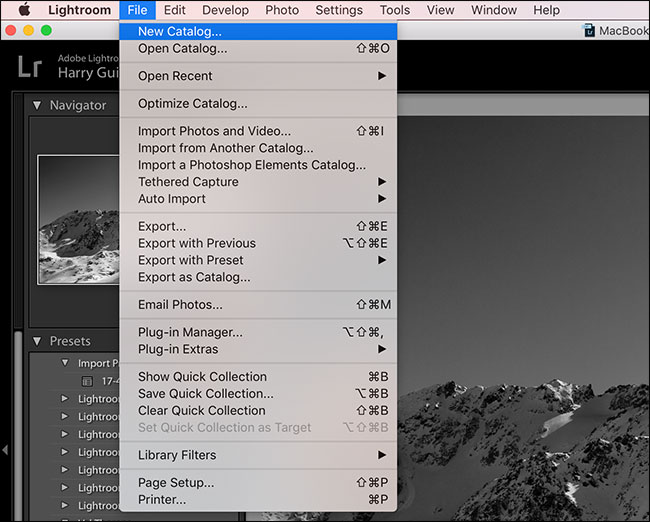
How to Create a New Catalog in Lightroom
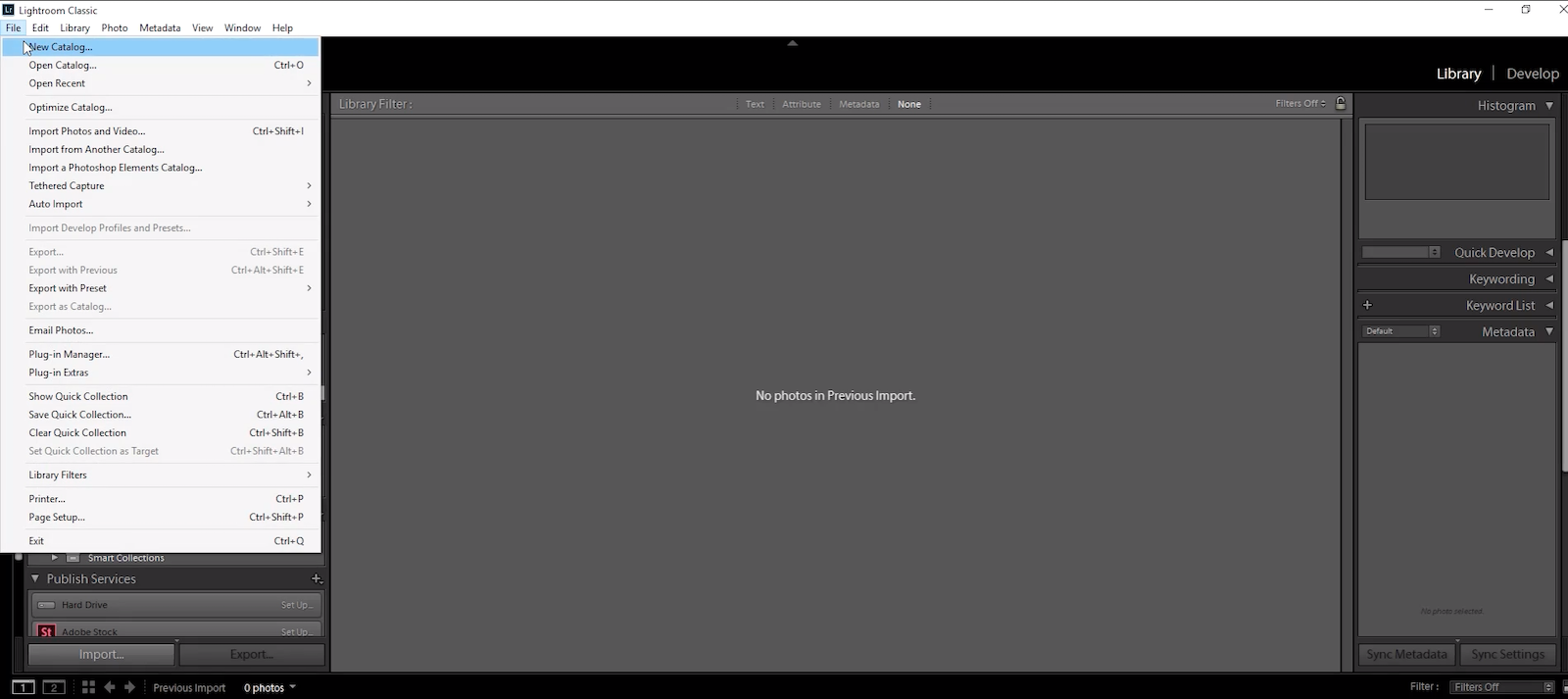
How to Create a Catalog in Lightroom Classic CC (2020 Update)

How to create and use the Lightroom catalog in Lightroom Classic

How To Create A Lightroom Catalog and Import Photos

How To Create And Use The Lightroom Catalog In Lightroom Classic

How to Create a Lightroom Catalog! (Adobe Lightroom CC Tutorial) YouTube
Choose The Desired Export Location And Specify A Name For The Exported Catalog.
Increase Image Resolutionadd A Blur Effectadjust Lighting In Images
First, Open Lightroom, And When You Start The Program For The First Time, A Default Catalog May Be Created Automatically.
Opening, Exporting, Upgrading, Customizing, And More.
Related Post: